![[FF Logo]](/layout3/images/logo.png)
Lesson 5
Lesson Objectives:
Understand the role of cervical fluid in reproduction and fertility charting.
Learn how to identify and recognize what different cervical fluid types reveal about your fertility status.
Major Points in this Lesson:
Cervical fluid changes throughout the menstrual cycle and is a primary fertility sign.
Cervical fluid is the best sign for learning about the presence of estrogen in your bloodstream.
Cervical fluid is one of the best signs to tell you when you are most fertile before ovulation.
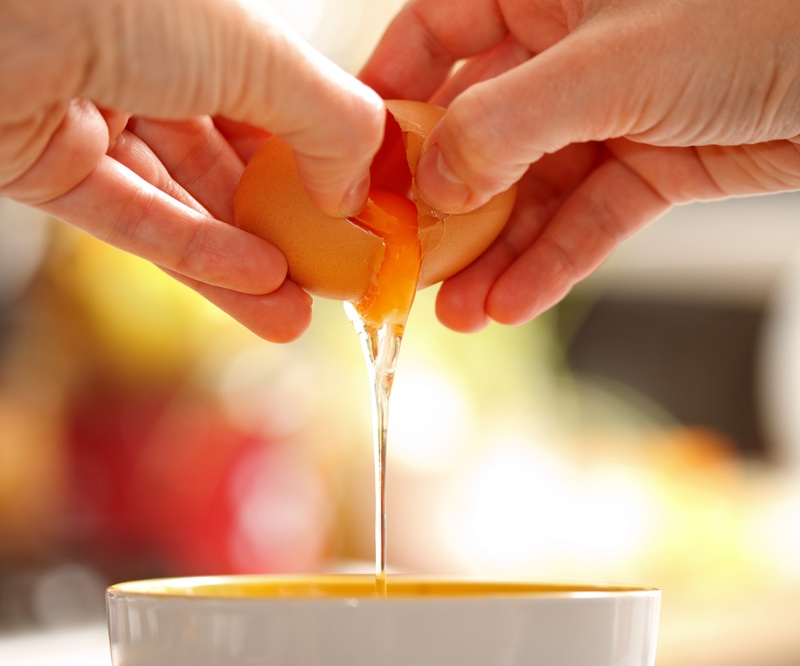
When estrogen is high and you are most fertile, cervical fluid is stretchy and resembles raw egg white.
When you are trying to conceive, it is recommended to have intercourse whenever you observe fertile quality cervical fluid.
Cervical fluid has similar properties to semen and serves similar functions: to support, nourish and transport sperm.
In a typical menstrual cycle, cervical fluid starts out scant and dry just after menstruation, becoming sticky or pasty, then creamy before the more fertile, watery and egg white fluid is observed when you are most fertile around ovulation. After ovulation, cervical fluid is again scant and dry.
Ovulation usually occurs around the last day that fertile quality cervical fluid is observed. This is often called the "peak" day.
More...
Cervical fluid (CF) is also sometimes called cervical mucus (CM). It refers to the fluid produced by the crypts of the cervix during the menstrual cycle. Changing throughout the menstrual cycle in response to ovarian hormones, cervical fluid is observable at the cervix or as it passes into the vagina.
The easiest and most effective way to know about the presence and quantity of estrogen in your bloodstream (and hence gain clues about your fertility status) is to examine your cervical fluid as it changes during your menstrual cycle. Observing these changes offers a primary fertility sign that can tell you a great deal about what is going on with your fertility.
When you are not fertile, at the beginning of your cycle and after ovulation, cervical fluid is dry and scant or sticky and cannot be penetrated by sperm. At these non-fertile times, the vagina is quite acidic and is even hostile to sperm. Cervical fluid at this time forms a barrier that plugs the cervical canal and prevents bacteria from entering the uterus.
As the presence of estrogen dramatically increases as ovulation approaches, this stimulates the production of large amounts of cervical fluid that is thin, stretchy, watery and alkaline- and receptive to sperm penetration. This most fertile fluid is best described as resembling raw egg white.
"Egg white" cervical fluid provides nourishment for sperm and allows them to move and thrive for the few days around ovulation when you are most fertile. When this kind of cervical fluid is present, sperm can be nourished and transported within your reproductive tract. Once in your reproductive tract in fertile cervical fluid, the sperm can wait for the egg to be released. This "egg white" fluid is usually observed in the most fertile days just before ovulation, drying up quickly after ovulation.
Ovulation is most likely to occur on the last day that fertile quality cervical fluid is observed, though this can vary. This day is often called the "peak" cervical fluid day, even though it may not be the day where the most fertile cervical fluid is observed. Cervical fluid observations, however, cannot tell you definitively that you have ovulated- just that estrogen is high, and ovulation is probably approaching.
Cervical fluid observations tell when you are most likely to be fertile and offer an excellent way to time baby-making intercourse. To know for sure that you have actually ovulated and are no longer fertile, you will need to chart your temperature as well and observe a thermal shift (temperature rise) on your chart.
The prime advantage of the cervical fluid sign is its ability to answer the question "Am I now fertile?" which is at least as relevant as the question "When did I ovulate?" It is not necessarily the same question.
Amazing Cervical Fluid
The main function of fertile cervical fluid in reproduction is similar to that of semen: as a medium for sperm nourishment and migration. Sperm survival and migration after intercourse is important because intercourse is rarely timed to exactly coincide with ovulation. Successful fertilization depends on the storage and constant release of sperm to the female upper reproductive tract at around ovulation time. Increased cervical fluid may also cause an increase in libido (sex drive) and produces lubrication to make intercourse more comfortable and pleasurable at this time.
Cervical Fluid supports sperm survival in the following ways:
They are admitted into the reproductive tract from the vaginal environment.
They are filtered, leaving only morphologically normal sperm to proceed.
They are nurtured and supported biochemically.
They are stored for later release so that there can be a constant supply to ensure that sperm release can be coordinated with ovulation so that conception can occur.
"Typical" Cervical Fluid Pattern
While your cervical fluid pattern may vary from cycle to cycle and it may vary from woman to woman, a typical cervical fluid pattern looks like this:
Immediately following menstruation there is usually a dry vaginal sensation and there is little or no cervical fluid.
After a few days of dryness, there is normally a cervical fluid that is best described as "sticky" or "pasty" but not wet. While this kind of cervical fluid is not conducive to sperm survival these days may be considered as "possibly fertile" if found before ovulation.
Following these "sticky" days, most women generally notice a cervical fluid that is best described as "creamy". This fluid may be white, yellow or beige in color and has the look and feel of lotion or cream. At this point the vagina may feel wet and this indicates possible increased fertility.
The most fertile cervical fluid now follows. This most fertile fluid looks and feels like raw egg white. It is slippery and may be stretched several inches between your fingers. It is usually clear and may be very watery. The vagina feels wet and lubricated. These days are considered most fertile. This is the fluid that is the most friendly and receptive to sperm. It looks a lot like semen and, like semen, can act as a transport for sperm.
After ovulation, fertile fluid dries up very quickly and the vagina remains more or less dry until the next cycle. Some women may notice small amounts of fertile-looking fluid after ovulation as the corpus luteum produces small amounts of estrogen, but you are not at all fertile after ovulation has been confirmed.
|
Cervical Fluid Type |
Corresponding Fertility Status |
|
Dry |
Probably Not Fertile |
|
Sticky |
Probably Not Fertile |
|
Creamy |
Possibly Fertile |
|
Watery |
Fertile |
|
Egg white |
Most Fertile |
Note: You may be fertile for up to a few days after observing fertile cervical fluid. FertilityFriend.com's Fertility Analyzer recognizes the cervical fluid types and will alert you to your fertility status based on the day's signs as well as previous days' signs if you may still be fertile.
Further Reading:
Next Lesson: How to Observe, Chart, and Record Your Cervical Fluid
Note: Please check this lesson within the app to access the lesson quiz.
© Tamtris Web Services Inc.
Terms Of Service || Privacy Policy || Contact